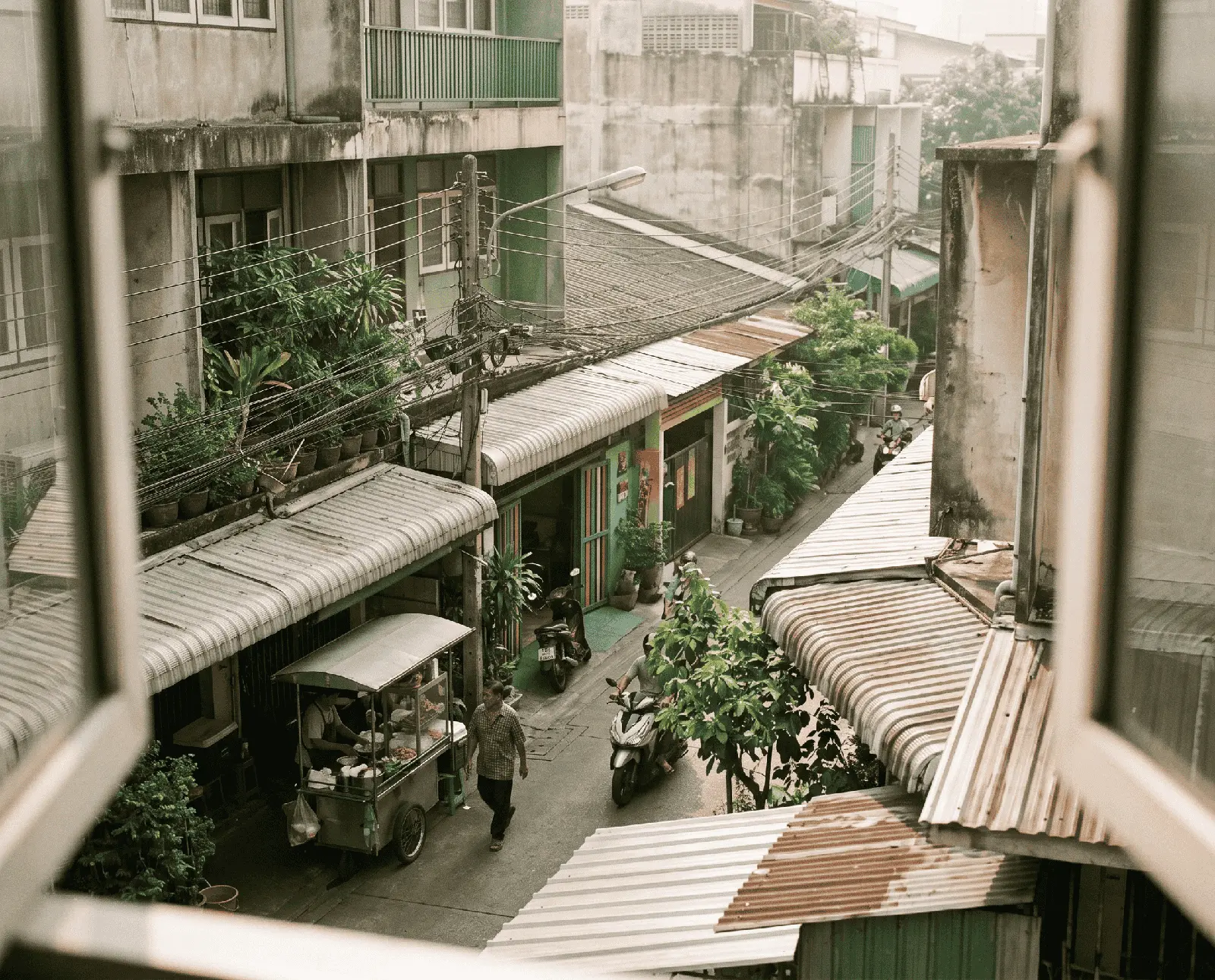
Istanbul.
Work between two continents.
A city that has been the most important place in the world at least twice. The light here is different from either side of the water. So is the quality of attention.
Istanbul is the only city in this guide that sits on two continents. This is not merely a geographical fact — it is a working condition. The city's energy, its relationship to time, its particular quality of morning all come partly from this geographic improbability: the knowledge, present in everything, that the other shore is there and visible and completely different.
We cover five neighbourhoods, three on the European side and two on the Asian. They are connected by ferry, which takes twenty minutes and costs approximately the same as a short coffee. More than one of us has come away thinking the ferry crossing — twice daily, morning and evening — is the best part of working in Istanbul. It is not something any room can take credit for.
The café situation here is better than in Athens but more complicated than in Lisbon. Wifi in the older neighbourhoods (Balat, Karaköy) is variable. The rooms we worked in all had reliable connections. We sat in each of them through a full working day, not just dropped by for an hour, because the difference between adequate wifi at 11am and adequate wifi at 3pm in Istanbul is significant and not something you want to discover mid-deadline.
The best times to work in Istanbul are early morning — before the city's formidable ambient noise reaches full volume — and late afternoon, when the light from the Bosphorus enters the European-side apartments from the west and makes everything look like a painting from a period when painters took light seriously.
Karaköy.
Karaköy is where the ferries arrive from the Asian side and where, for the last decade, a significant portion of Istanbul's creative class has relocated from Beyoğlu. It is a neighbourhood of converted warehouses, gallerists, textile importers, and the kind of coffee shop that makes coffee correctly but does not make a performance of it.
The rooms we found here are in the upper floors of the old han buildings — the multi-storey commercial complexes built in the Ottoman period, which have been converted with varying degrees of care into studios, workshops, and apartments. The best of them have views of the Bosphorus from the upper floors, a quality of Istanbul light that is specific to this neighbourhood, and walls thick enough to reduce the considerable noise of the port area to something manageable.
Some of the best Karaköy rooms are in the same han building, on different floors, owned by different people who bought into the building at different points over the last fifteen years. They have never met. They turn out, oddly, to know many of the same people.
Beyoğlu.
Beyoğlu is the neighbourhood that runs up the hill from Karaköy toward Taksim, along the famous İstiklal Caddesi and through the side streets that have been the centre of Istanbul's cultural life for at least two hundred years. It is, at any given moment, simultaneously the most interesting and the most exhausting neighbourhood in the city.
The rooms worth working in in Beyoğlu are almost all in the buildings off İstiklal rather than on it — the streets that run perpendicular to the main drag, which are quieter by an order of magnitude and contain, in their upper floors, some of the most beautiful apartments in the city. These are pre-war buildings with high ceilings, large windows, and the particular quality of light that comes from rooms designed before electric lighting was reliable.
Three of the Beyoğlu rooms we know are in the same apartment building, owned by people who have never set foot in each other's. This is, as far as we can tell, entirely characteristic of the neighbourhood.
Moda.
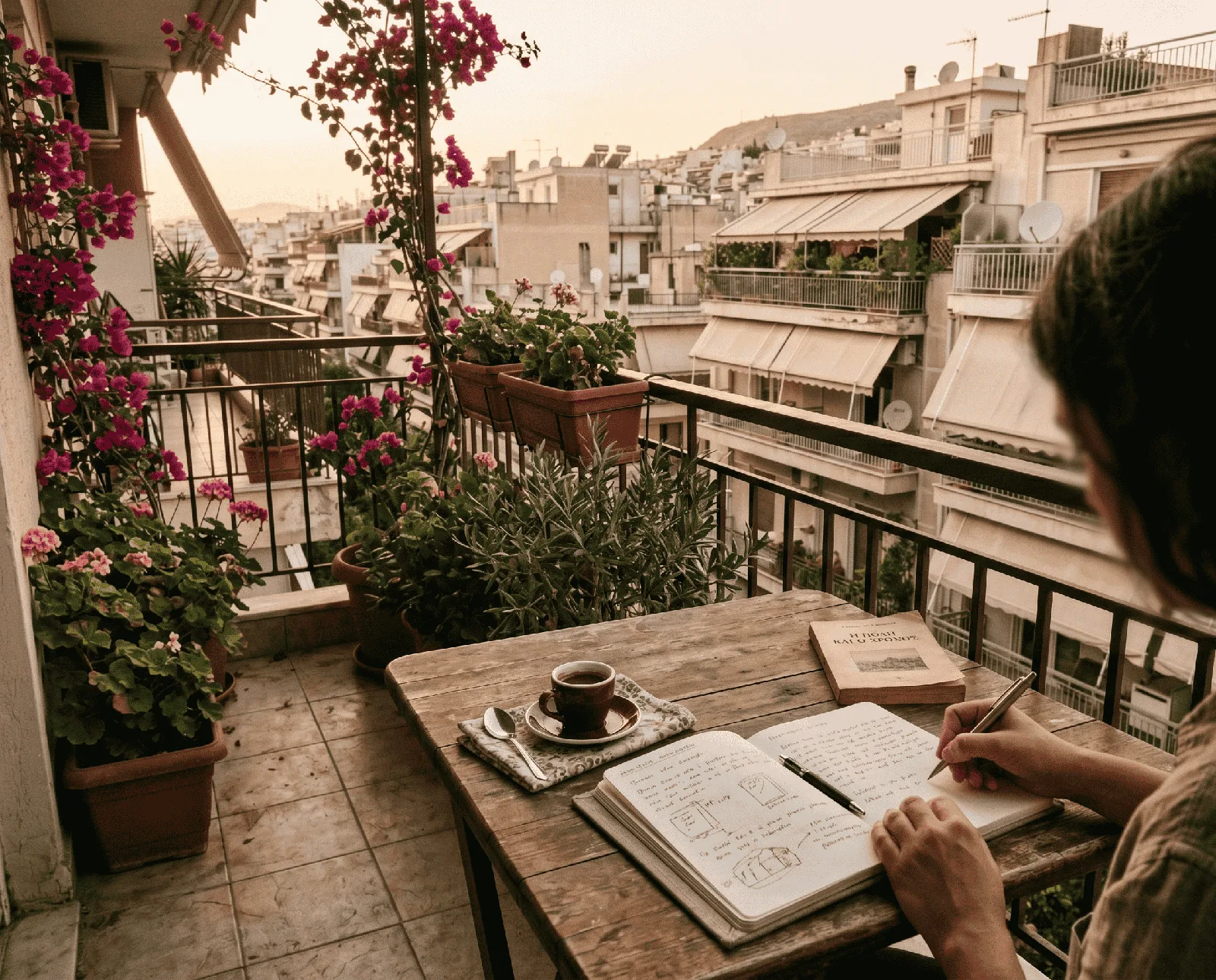
Moda is the most pleasant neighbourhood in this guide to work in, and the hardest to explain to someone who hasn't been there. It is a residential promontory on the Asian side that manages, in a city of 16 million people, to feel like a small town. There are cats everywhere — more cats per square metre than anywhere except that living room in Koukaki — and a quality of afternoon light over the Marmara Sea that has talked more than one of us into staying an extra day.
The rooms here are predominantly in the wooden houses — the traditional Istanbul timber-frame buildings — that survive in Moda in higher concentration than almost anywhere else in the city. Working in one of these buildings is an experience specific to Istanbul: the floors are slightly uneven, the walls creak in the wind off the sea, and the light enters through wooden shutters in a way that has probably not changed significantly in a hundred years.
Balat.
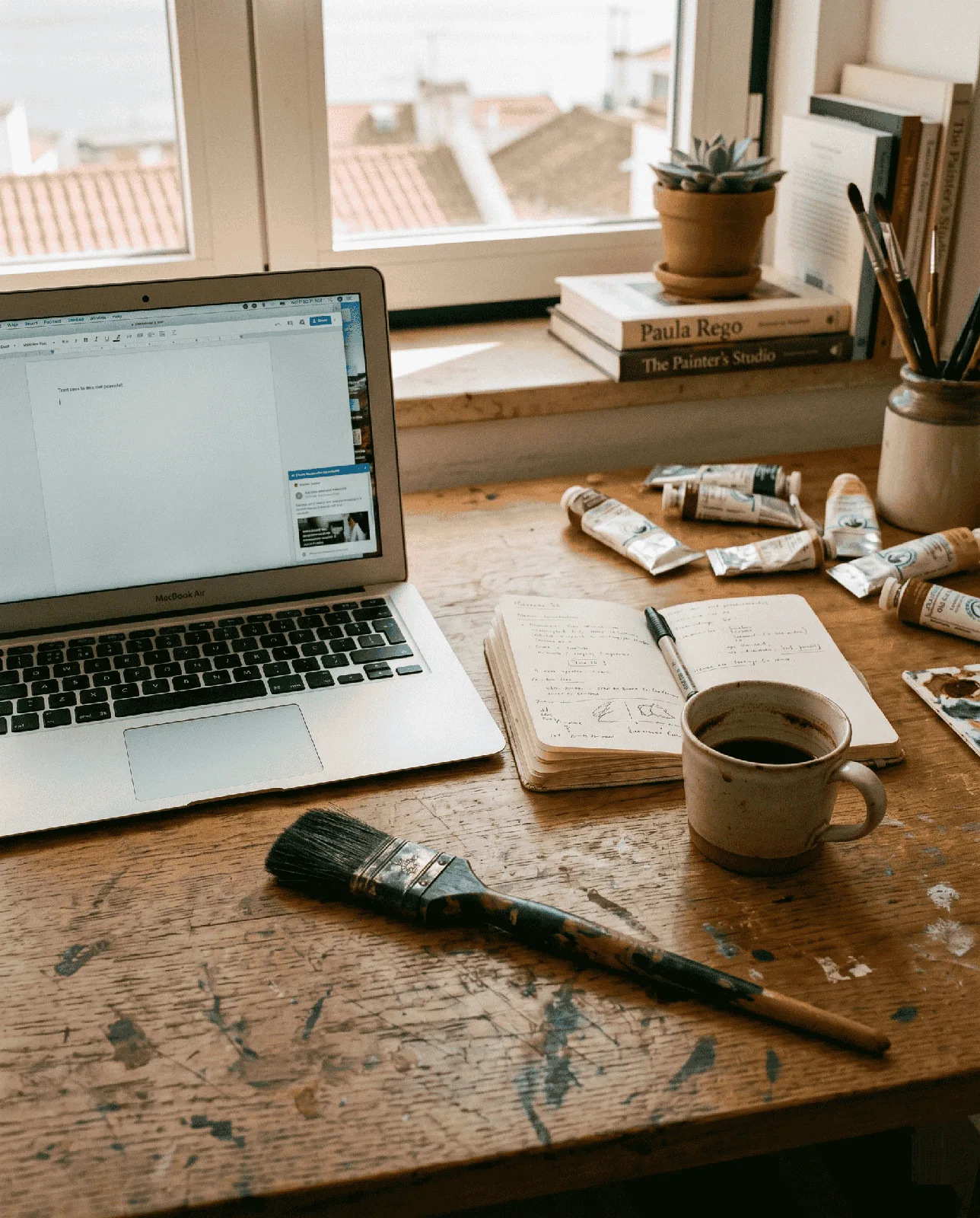
Balat is the old Jewish and Greek quarter on the Golden Horn, which has spent the last twenty years in a state of careful, contested, still-incomplete gentrification. The buildings are extraordinary — mostly nineteenth-century timber and stone, some dating to the sixteenth century — and the neighbourhood has retained, despite the pressure of tourism and rising rents, a lived-in quality that Beyoğlu largely lost a decade ago.
The Balat rooms we know are concentrated in the streets running up from the Golden Horn waterfront. The lower streets flood occasionally in winter — worth keeping in mind — but the upper streets, which have the better light and the better views, are consistently good for working. The neighbourhood is quiet by Istanbul standards in the morning. By the afternoon, the tourists arrive, but they tend to stay on the main streets.
Cihangir.
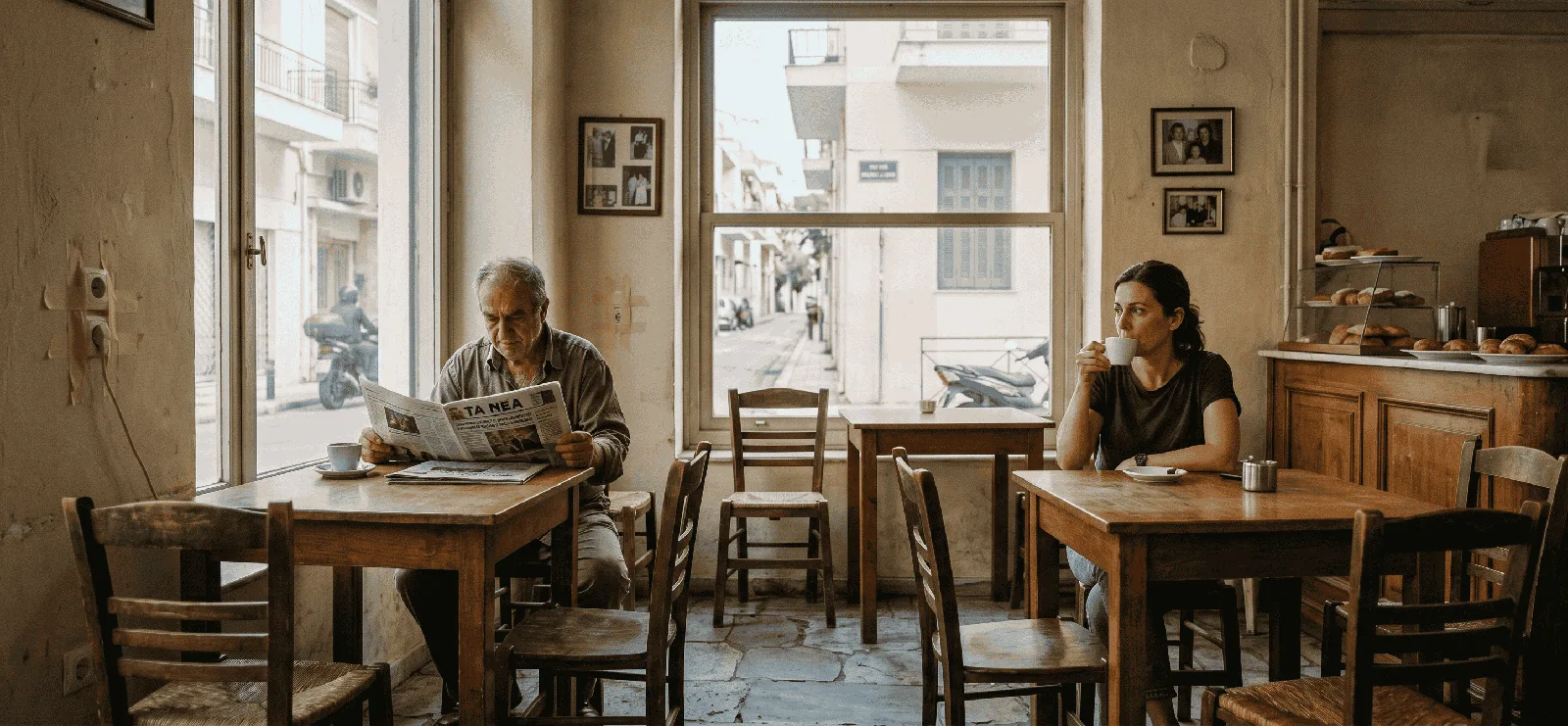
Cihangir is the neighbourhood that Beyoğlu's writers moved to when Beyoğlu became too loud, and that Cihangir's writers have been threatening to leave ever since it became fashionable. It sits on a steep slope below the main Beyoğlu plateau, with the Bosphorus visible from the upper streets on a clear morning, which in Istanbul is not every morning but is enough mornings to build a reputation around.
The rooms here have a particular quality that we associate with neighbourhoods that attract writers in specific: an unpretentious density of bookshelves, a tolerance for long afternoons, and a general understanding that the person at the desk does not want to be interrupted, even in the most hospitable possible way. The apartments are smaller than in Beyoğlu — the streets are narrower and the buildings occupy the slope at odd angles — but the smaller scale works, for the purposes of a working day, in the room's favour.
Several of the Cihangir hosts we know are writers themselves, or were, or are between books in the way that people are between things in Cihangir — occupying the interval with other work. One of them makes furniture. Another runs a small press from the same apartment where she hosts. Neither has ever asked anyone working in their space what they are working on, which is, in our experience, the single most reliable indicator of a host who understands what a borrowed room is actually for.
Cihangir is where we recommend coming at the end of a longer Istanbul stay — when you know the city well enough to find the one bakery on the corner that opens at seven and the one café on the next street that has tables in a garden. Before you know the city, Cihangir offers less. Knowing it, it offers more than most places twice its size.
"Istanbul does not have a working day in the European sense. It has a working intention, which is different — the intention to work exists, but the city reserves the right to override it with a ferry, a view, a conversation, or a call to prayer at the precise moment the paragraph was almost finished." — From the field notes, November 2025
Practical things, briefly.
Getting around
The Istanbulkart covers metro, tram, bus and ferry. Buy one at any metro station (₺100 deposit, refundable). The Marmaray rail tunnel connects the European and Asian sides in five minutes. The Bosphorus ferries (BUDO and IDO) are slower, more pleasant, and the better choice on any day when you are not late.
Wifi & power
Fibre is broadly available in Karaköy, Beyoğlu, Cihangir, and Moda. Balat is more variable — ask about connection before the day starts. Power is 220V, two-pin (Schuko). Turkish sockets are the same standard as most of continental Europe; one multi-plug is enough for most setups.
The ferry schedule
The Karaköy–Kadıköy ferry runs every 15–20 minutes weekdays, every 30 minutes weekends. First service around 6:30am, last around midnight. The Eminönü–Kadıköy route is slightly more frequent. Check the IDO app for live departures — crossings are occasionally suspended in rough weather.
Coffee
Turkish coffee culture is not European coffee culture. The preparation is different, the pace is different, and the expectation that you will sit long over it is fundamental. Espresso exists and is good in Karaköy and Cihangir specifically. Elsewhere, order çay (tea) and work at the pace of the neighbourhood.
Language
English is spoken in Karaköy, Beyoğlu and Cihangir without difficulty. On the Asian side and in Balat, less so — a few words of Turkish (merhaba, teşekkürler, lütfen) go considerably further than in any of the other cities in this guide. The effort is noticed and remembered.
When to come
September and October for light and temperature. April and May for colour — the Judas trees along the Bosphorus are a genuine spectacle. Avoid July and August unless you specifically want to discover what humidity at 40°C does to your concentration. January is cold and grey and, in our experience, excellent for extended writing.
№ 10 — Lagos, in five neighbourhoods.
The fastest-growing major city on earth. The energy is not background noise — it is the working condition. Every room we found here offered something the city doesn't: a pause.
Read the Lagos guide →