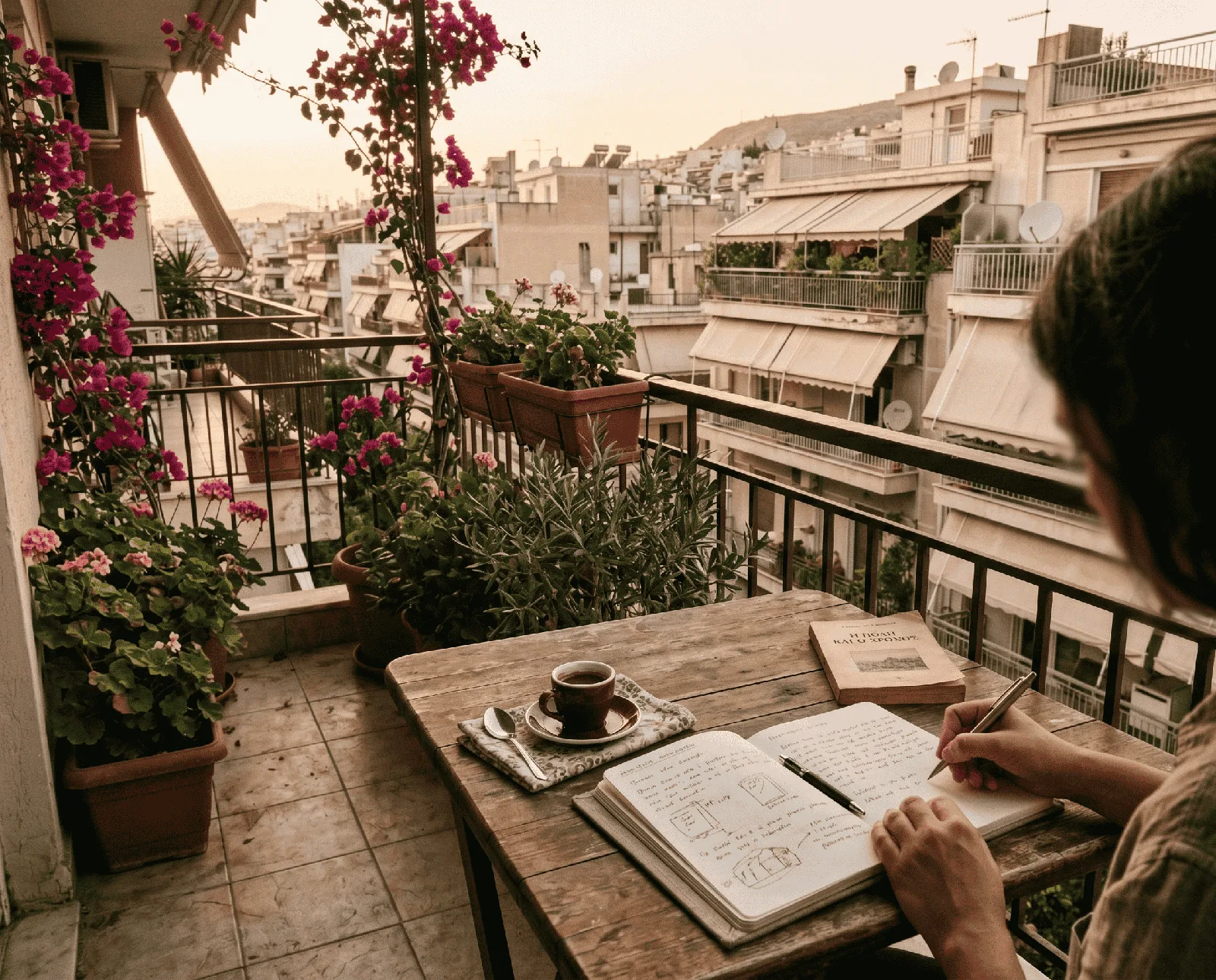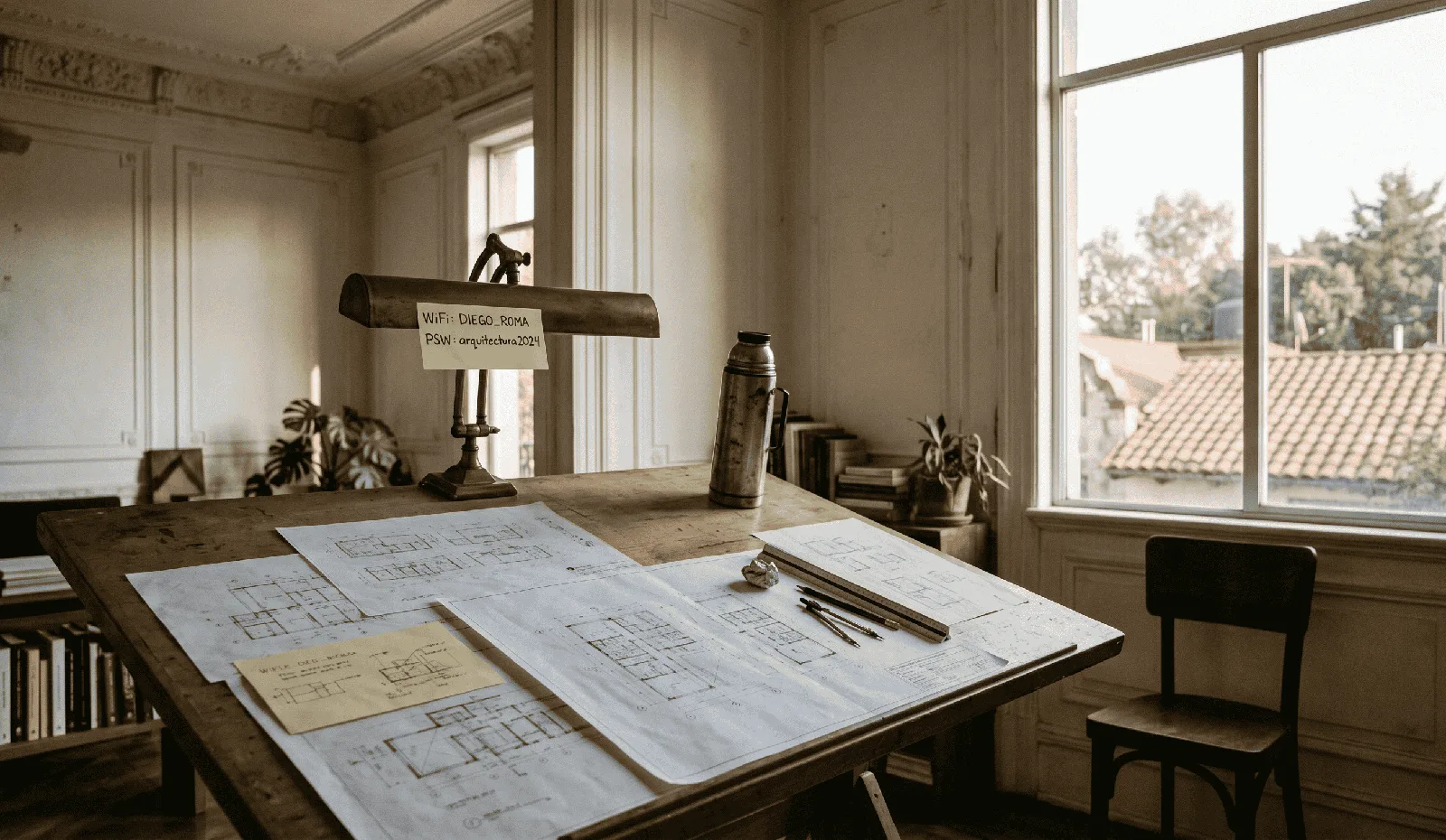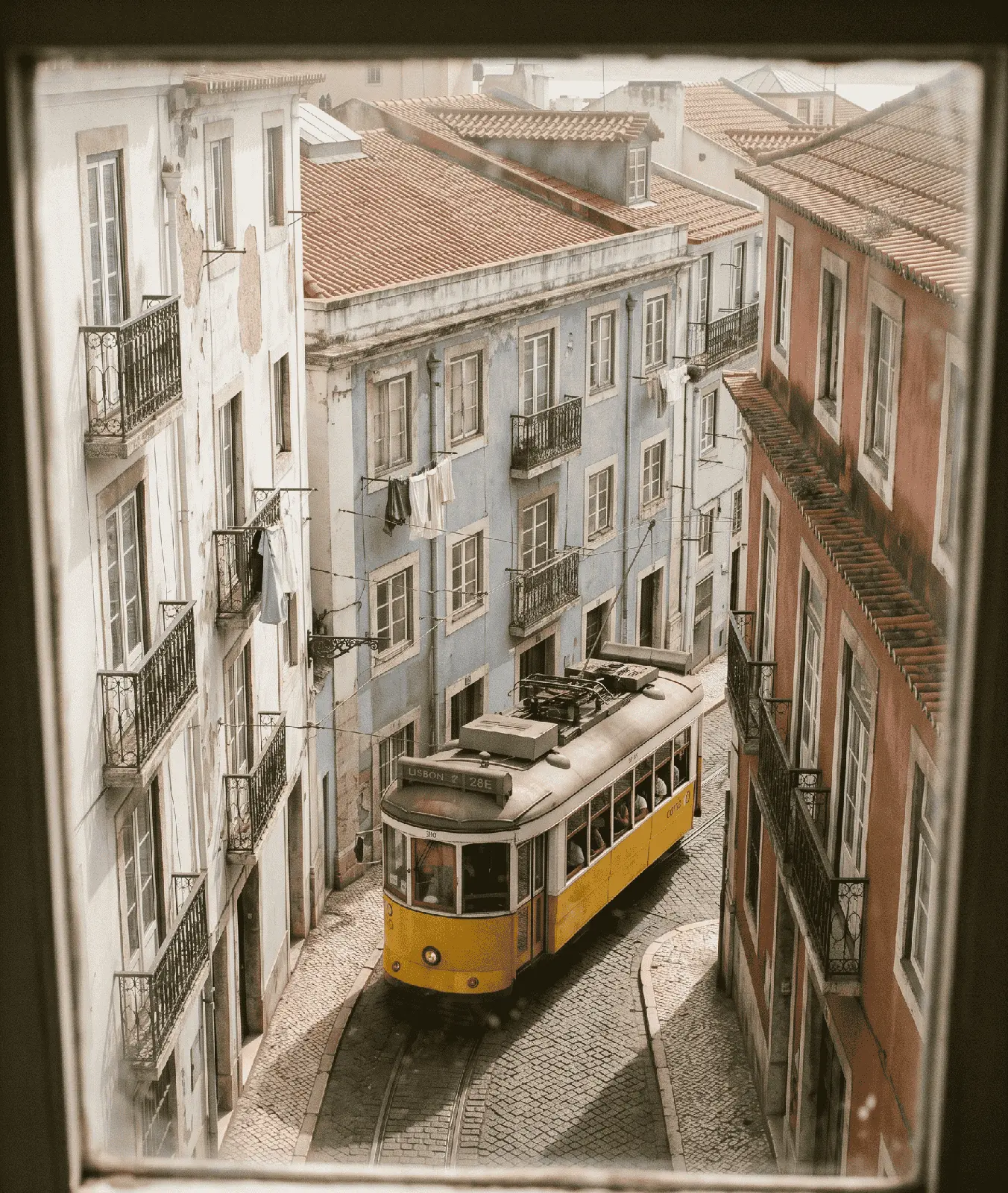
There is a specific moment in the late afternoon — usually around five, sometimes closer to six — when a borrowed room stops being yours in any meaningful sense and reverts to being what it has always been: someone else’s. The work day is, for practical purposes, over. The light has moved past the point at which reading is comfortable. The quality of attention available to you has diminished to something that can manage emails but not much else. It is time to leave.
How you leave matters, we have come to think, considerably more than how you arrive. Arriving in a borrowed room is mostly about reading it — understanding its surfaces and sounds, learning which chair, accepting whatever light is available that day. Leaving requires something more considered. You are returning a room to a person who trusted you with it, and that return deserves a small ceremony, even if the ceremony is entirely private and takes no more than four minutes.
The inventory
The first act of leaving properly is the inventory — a slow look around the room to take stock of what belongs where, and what you have, in the course of the day, shifted, stacked, or temporarily claimed. The mug goes back to the kitchen. The second chair, which you pulled over to hold your bag, goes back to its corner. The window you cracked open at eleven stays open or closes, according to whatever state the room was in when you arrived. You are not cleaning someone else’s home; you are restoring a room to the approximate condition in which it was offered to you.
This is not a small thing. A room given to you in the morning carries a kind of implicit argument: I trust you with this space, and with the life it contains. The shelves are someone else’s books. The photographs on the wall are from someone else’s life. The mug you used belonged to a set, and when you return it unwashed it carries, briefly, the trace of your own presence in a home that doesn’t record yours anywhere else. Returning it washed is a form of basic decency. It is also, we find, a way of closing the day cleanly.
The borrowed room is returned better than you found it, or at worst exactly as you found it. The only unforgivable leaving is the one that makes the room slightly worse — that leaves behind the evidence of occupancy without the gratitude that should accompany it.
On the matter of traces
There is a school of thought — not ours — that the ideal guest leaves absolutely no trace of their presence. That the room, when vacated, should be indistinguishable from an unoccupied room. This strikes us as both impossible and, if it were possible, slightly melancholy. You were there. Something happened in that room while you were in it. Work was done, or attempted; tea was made; an hour or two of quiet concentration occurred in a place that would not have been quiet or concentrated without you in it.
The question is not whether to leave a trace but what kind of trace to leave. The mug left dirty on the desk is the wrong kind. The chair pulled slightly toward the window and not returned is the wrong kind. The window left open in rain is the wrong kind. But the smell of slightly-burnt toast from the morning, still faint in the kitchen — that is the right kind. The faint impression on the sofa cushion where your bag rested for most of the day — that is acceptable. These are the traces of a useful day, not of negligence.
The last look
There is a practice, observed from people who know how to travel well, of standing in the doorway of a room before leaving it for the last time and taking a deliberate look. Not to check for forgotten things — that is what the inventory is for — but simply to see the room one more time as a whole, to register that this particular configuration of light and surface and borrowed quiet existed, and that you were in it, and that it was good.
This is not nostalgia, exactly. It is closer to acknowledgement. The room will not remember you. It has no capacity for memory, whatever we wrote about in an earlier essay on patina and trace. But you will remember it, at least for a while — the particular quality of the afternoon in that room on that day, in a city that is not your city, at a desk that is not your desk, doing work that will outlast the room in your experience of it, if it goes well.
The last look is a thank-you. It takes four seconds. It is, we think, the minimum the borrowed room deserves.